baby skincare claims
Dermatologically Tested vs Dermatologist Recommended
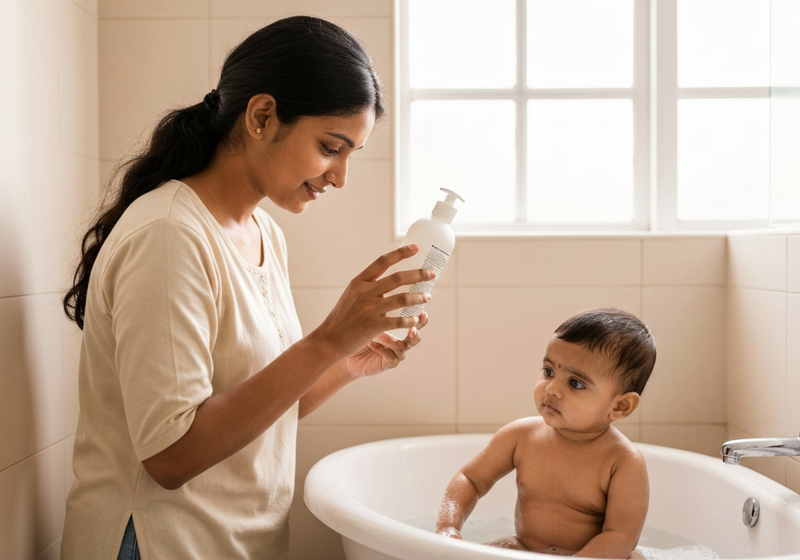
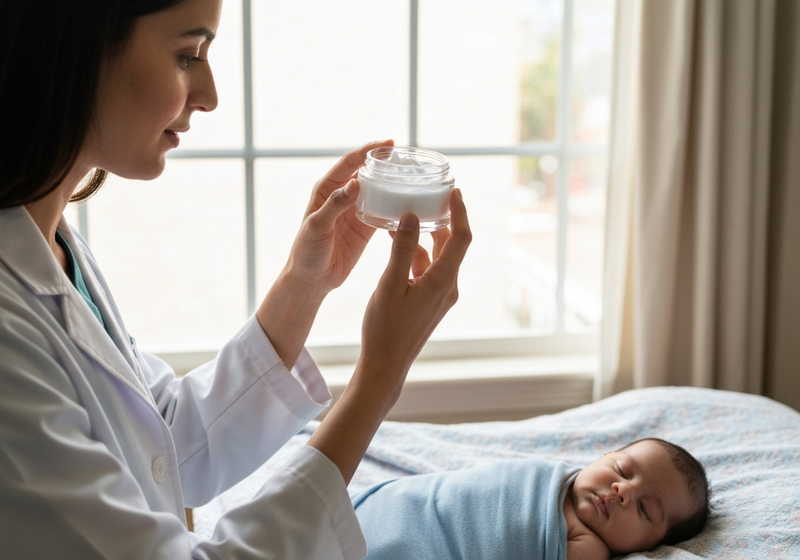
One label describes a test that was actually run on human skin; the other describes an opinion poll. Here's exactly what sits...

Gentle, evidence-led notes on baby skin, Ayurvedic ingredients and the science behind our formulas — written by the people who make them.
11 guides in total · newest first
One label describes a test that was actually run on human skin; the other describes an opinion poll. Here's exactly what sits...
“Mild” is a marketing word, not a grade — no Indian rule defines it and no test gates it. Here's what genuinely...
One sulphate is genuinely worth avoiding on a child's scalp — but "sulphate-free" on the front of a bottle tells you almost...
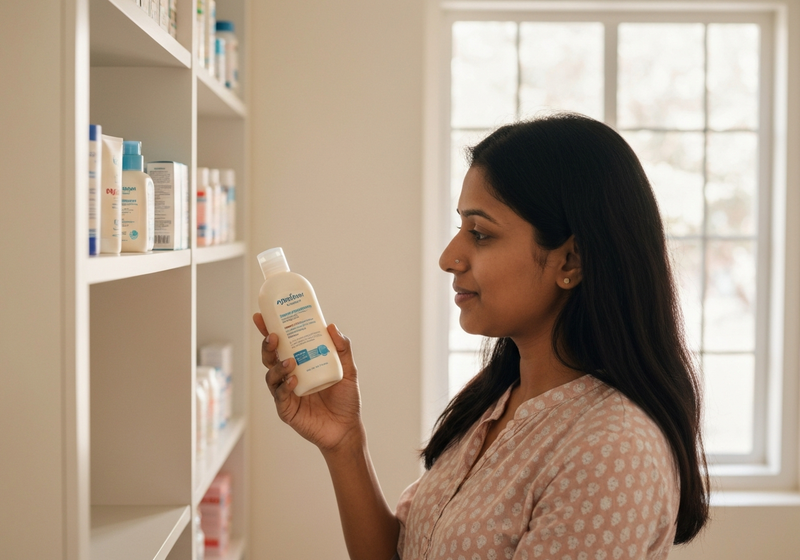
Six bottles, four identical claims, and no way to tell them apart from the front of the pack. Here is how I...
Phenoxyethanol is one of the better-studied preservatives in cosmetics and most babies use it daily without trouble; the isothiazolinones (MI, MCI) are...
“Gentle”, “mild” and “tear-free” are marketing words, not legal categories — India regulates whether a claim is false or misleading, not the...
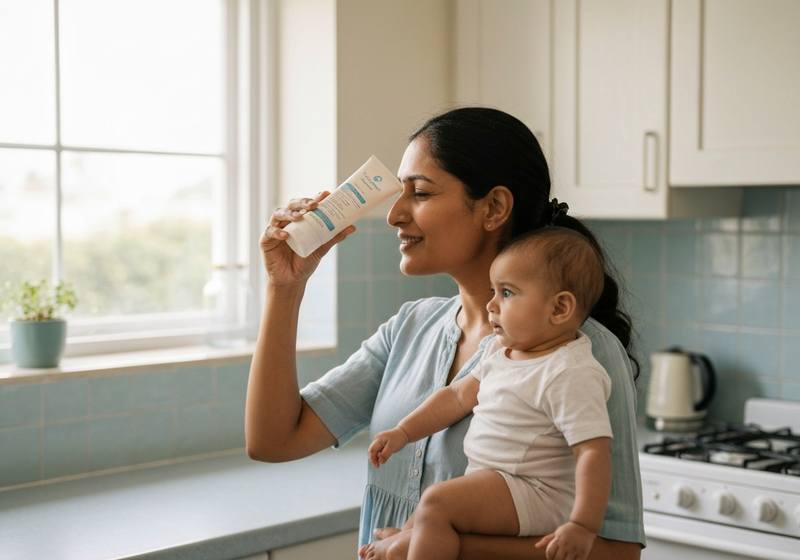
The front of a baby product is an advertisement; the real information lives on the back and the base. Here's a formulator's...
"Hypoallergenic" sounds like a guarantee, but it isn't a regulated term — it's a formulation goal. Here's what actually makes a baby...
Most baby product labels are written in a code (INCI) that hides what really matters: where each ingredient sits in the list....
Not every fragrance in a baby product is a problem — and not every "unscented" label means what you think. A cosmetologist...
A cosmetologist's plain-language guide to reading a baby skincare label — the ingredients worth seeking, the ones to skip, and the 30-second...
Today only · one spin
Drop your email and spin — every spin wins something good.
Pop in your email above to spin 👆
No spam — just gentle baby-care notes. One spin per visitor. Codes apply at checkout; T&Cs apply.